


Blog / Enterprise



Possible 2026 felt less like a conference about advertising and more like a conference about infrastructure. The most common sight was companies talking about AI, measurement, identity, orchestration, retail media, outcomes, automation. The industry is clearly trying to solve for a future where marketers are expected to do more across more channels with more accountability than ever before.
It was clear that at the center of all of it was one thing: data. I’m not talking about third-party data stitched together through probabilistic workarounds or purchased identity graphs, but owned, consented audiences that can actually scale across CTV and the open web. That divide feels increasingly permanent now, and the companies with direct consumer relationships and durable identity strategies are pulling away from everyone else.
A few DSPs clearly stood out in those conversations (and Yahoo DSP was one of them). That matters because advertisers are becoming much more skeptical about what sits underneath the platforms they use. The expectation now is transparency around identity, measurement, optimization, and how audiences are actually built. A few years ago, marketers mostly wanted access and scale. Now they want infrastructure they can trust.
AI Is Expanding the Stack
At the same time, AI is making the ecosystem more complicated, not less. There were dozens of companies at Possible promising to simplify media buying through automation or algorithmic optimization. And some of them are genuinely interesting! Performance-focused AI partners are getting much better at translating unique datasets into bidding intelligence and helping advertisers activate signals that traditionally sat outside the media stack. That said, most of these tools still operate in silos.
That was one of the biggest takeaways from the week: as more AI layers enter the ecosystem, orchestration becomes more important, not less. Advertisers still need a central system that can manage campaigns holistically across supply, channels, measurement partners, brand safety tools, and frequency controls.
Spoiler: that is where DSPs continue to matter. The role of a DSP is evolving beyond media buying into something much broader: an orchestration layer for CTV and the open web. The strongest platforms are the ones that can flex around how advertisers actually work, whether that means integrating with external AI systems, enabling custom measurement frameworks, or supporting increasingly complex campaign structures without forcing tradeoffs elsewhere in the stack.
That flexibility was a recurring theme throughout conversations at Possible, especially as advertisers rethink how their media and marketing systems connect together. There was a lot of energy around orchestration platforms sitting above the DSP layer and connecting AdTech with broader MarTech environments. The ecosystem is clearly moving toward more interoperability.
Measurement Has Become Its Own Ecosystem
Measurement especially reflected that same shift. It felt like every third booth at Possible was a measurement company; MMM, incrementality, attribution, attention metrics, offline outcomes, brand safety. The sheer number of solutions tells you something important: advertisers are no longer comfortable relying on a single source of truth.
Instead, they are building measurement stacks. That creates another layer of complexity, but also a big opportunity for platforms that can support multiple methodologies while still making those insights actionable. Measurement by itself is useful, but measurement that feeds directly into optimization is where things get interesting.
That is part of why owned audiences matter so much right now. Platforms with scaled first-party relationships are in a much stronger position to connect identity, measurement, and optimization in a way that actually improves performance over time.
And honestly, one of the more encouraging parts of the week was hearing how many partners see Yahoo DSP leaning into exactly those areas. Conversations around identity, premium partnerships, AI initiatives, and interoperability came up constantly. The market feels increasingly receptive to platforms that are trying to make complexity more manageable without oversimplifying the media plan itself.
Possible this year felt like a reminder that the future of advertising will not be won by the cleanest demo or the loudest AI messaging. It will be won by the platforms that can connect systems, activate trusted data, and help advertisers navigate complexity without losing control.
--
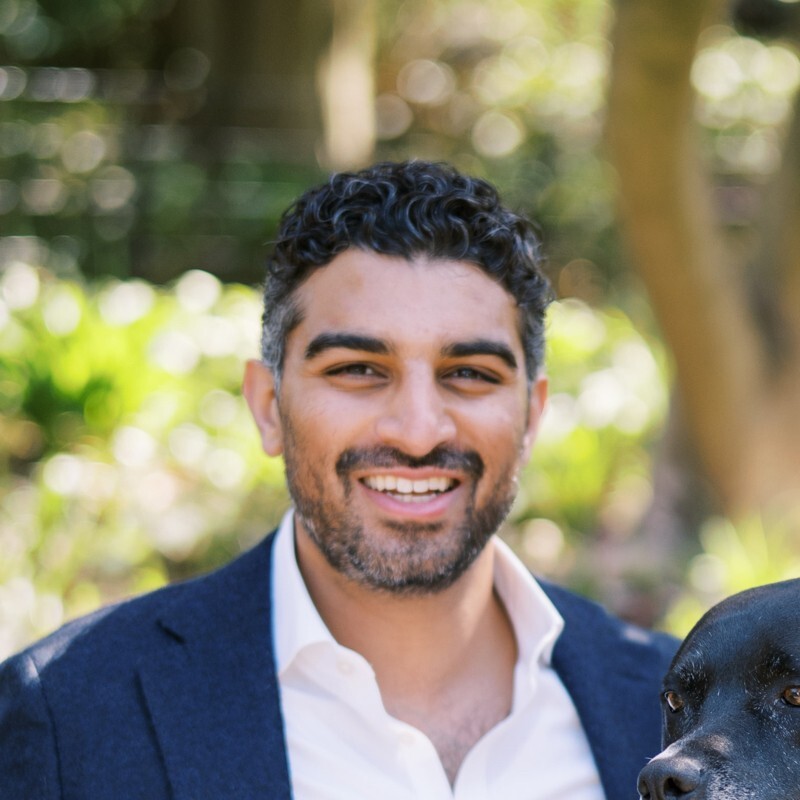
Joshua John
Joshua John is Senior Director of DSP Strategy at Yahoo, where he leads strategy for Yahoo DSP and partners with product, sales, and go-to-market teams to ensure omnichannel and CTV solutions deliver measurable value for advertisers and agencies.Joshua brings deep programmatic and ad‑tech expertise to stages and client forums, translating complex platform capabilities into clear, actionable narratives for marketers and partners. You should also follow him @cookinwithjosh on Instagram for exceptional food content.

